TLDR: To survive a blackout, plan ahead by stocking up on emergency supplies before outages happen. Water, nonperishable food, flashlights, batteries and a first aid kit are essential. Keep your fridge and freezer doors closed to preserve food for up to 48 hours. Use generators safely outdoors, at least 20 feet away from your home. Stay warm by layering your clothing instead of using dangerous heating methods. Following these blackout survival tips will help keep your family safe during short outages and long power losses lasting days or weeks.
Power failures happen unexpectedly, and when you least expect them. A sudden storm, equipment failure, or an overloaded grid can quickly leave your neighborhood covered in darkness. Most families aren’t preprared to go without electricity for even a few hours, much less during extended outages. This article will equip you with practical tips for surviving blackouts of any length of time. You’ll find out what supplies to gather, how to keep food safe when the power is off, and which mistakes could endanger your family. Whether you are dealing with a short interruption or a multi-day outage, these strategies will help your household stay safe, fed, and comfortable until the power is restored.
What Emergency Supplies Do You Need to Prepare for a Power Outage?
Preparation makes the difference between manageable inconvenience and dangerous crisis. Start building your emergency kit today, before the next blackout strikes. You can’t buy supplies when stores are dark and closed. Every household needs basic survival items ready and accessible.
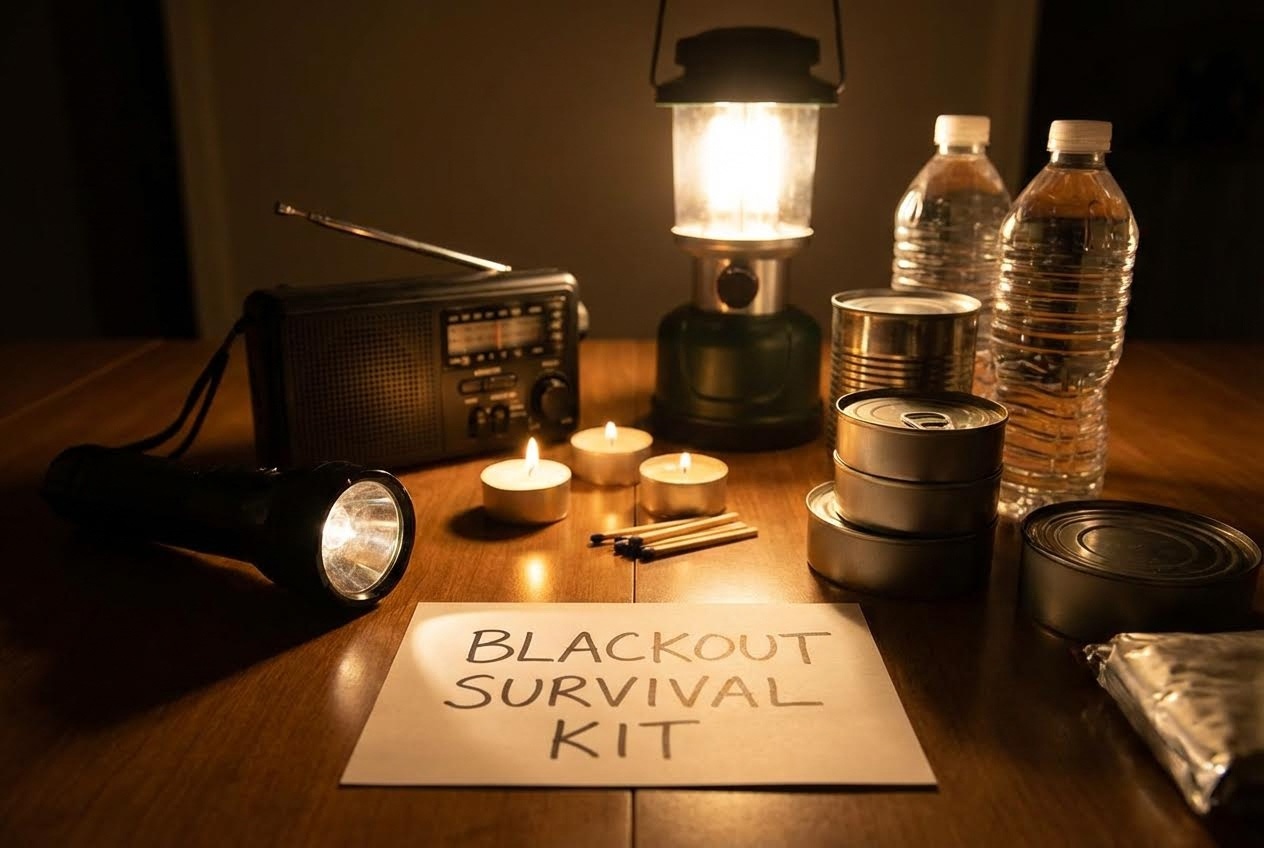
Stock at least three days of bottled water—one gallon per person per day. Add nonperishable food items that don’t require cooking: canned goods, protein bars, dried fruit, nuts, peanut butter, and crackers. Include a manual can opener since electric models won’t work without power. Don’t forget pet food if you have animals. These basics ensure your family and pets can eat and drink regardless of how long the electrical power stays off.
Your emergency kit needs reliable lighting and communication tools. Pack multiple flashlights with extra batteries. A battery-operated or hand-crank emergency radio provides weather updates and news when internet and cell service fail. Add a first aid kit with bandages, antiseptic, pain relievers, and any prescription medications your family needs. Include a battery-powered or solar powered phone charger—a power bank can keep devices running when outlets are dead. Store matches in waterproof containers, blankets for warmth, and basic tools. Ready.gov provides detailed checklists for comprehensive emergency preparedness.
How Can You Keep Food Safe During an Extended Power Outage?
Food safety becomes critical within hours when refrigeration stops. Your refrigerator will keep food cold for about four hours if you keep the door closed. A full freezer maintains safe temperatures for 48 hours when unopened. Half-full freezers stay cold for only 24 hours. Understanding these timeframes helps you protect your food supply.
Keep your refrigerator and freezer doors closed as much as possible. Every opening releases cold air and shortens preservation time. Before any predicted storm or in areas prone to blackouts, freeze water-filled plastic containers. These ice blocks help keep food cold longer and provide drinking water as they melt. The freezer will keep food frozen longer when packed full—empty space warms faster than densely packed contents.
Monitor food temperatures when power returns. Throw away any food that has been exposed to temperatures 40 degrees or higher for more than two hours. Use a thermometer to check—don’t guess. Discard any medication that should be refrigerated if temperatures exceeded safe ranges. When in doubt, throw it out. Food poisoning costs far more than replacing groceries. Use coolers with ice if necessary to extend cold storage during very extended power losses. Keep food inventories to track what needs replacement after the event of a power outage.
What’s the Safest Way to Use Generators During a Blackout?
Generators provide alternative power sources, but they kill people every year through carbon monoxide poisoning. Never run a generator inside a home or garage—not even with doors or windows open. Carbon monoxide accumulates rapidly in enclosed spaces. You can’t see or smell it, but it’s deadly.
Place generators at least 20 feet away from your home, pointing exhaust away from windows and doors. Never operate them in attached garages, even briefly. Install carbon monoxide detectors with battery backup throughout your home—particularly near sleeping areas. These devices provide your only warning before poisonous gas reaches lethal concentrations. To avoid carbon monoxide poisoning, absolute rules apply: generators stay outdoors in well-ventilated areas, always.
Use generators correctly to prevent electrical hazards. Never connect them directly to home wiring without a proper transfer switch installed by a licensed electrician. Backfeeding power into utility lines can electrocute workers trying to restore service. Only plug appliances directly into generators using heavy-duty, outdoor-rated extension cords. Keep generators dry—never operate them in rain or snow without proper covers. Follow manufacturer instructions precisely. Generator safety isn’t optional—shortcuts prove fatal.
How Do You Stay Warm When Winter Storms Cause Power Outages?
Staying warm without electricity requires smart strategies, not dangerous improvisation. Never use your gas stove, oven, grill, camp stove, or charcoal grills for indoor heating. These produce carbon monoxide and create fire hazards. Space heaters won’t work without power it’s gone.
Dress in layers with warm clothing—multiple thin layers trap heat better than single thick garments. Wear hats indoors since bodies lose significant heat through the head. Use blankets, sleeping bags, and comforters. Close off unused rooms and seal drafts with towels. Gather family members in one room—body heat from multiple people raises temperatures naturally. Move to the lowest level of your home where warmth accumulates, except in flooding situations.
If you have a fireplace and adequate fuel, use it safely with proper ventilation. Keep the damper open and screen secured. Never burn trash, plastic, or treated wood—these release toxic fumes. During extreme cold, consider relocating to public warming centers if your home becomes unsafe. City and county emergency management offices open these facilities during severe winter storms. Staying warm safely means avoiding all combustion heating indoors except properly vented fireplaces.
What Should You Do About Medical Equipment That Relies on Electricity?
Medical devices that require electrical power create life-threatening situations during outages. Anyone dependent on powered medical equipment needs backup plans developed before emergencies strike. Don’t wait until the power goes to figure this out.
Contact your utility company before outages occur. Many utilities maintain priority restoration lists for customers with essential medical needs. Register with them and keep contact information easily accessible. Work with healthcare providers to develop emergency protocols. Some medical devices have battery backup—understand how long yours lasts and have plans for when batteries deplete.
Consider investing in medical-grade backup power systems. Battery backup units designed for essential medical equipment provide hours of operation. Some insurance plans cover these devices for patients with documented needs. Alternative power sources like properly installed generator systems with transfer switches can run medical equipment safely. For life-sustaining equipment, establish evacuation plans to hospitals or facilities with power. Store emergency contact numbers for doctors, medical equipment suppliers, and ambulance services where you can find them in the dark. Your life or a loved one’s life may depend on these preparations.
How Can You Communicate When Power Lines Are Down?
Communication becomes challenging fast when power fails. Cell towers have backup batteries, but these typically last only 4-8 hours. Once those deplete, mobile service vanishes. Internet routers need electricity—no power means no internet access at home.
Keep your phone charged always. When storms threaten, charge your phone and all backup devices to 100%. Use power sparingly—disable unnecessary apps, reduce screen brightness, and enable airplane mode when not actively communicating. A fully charged power bank can recharge your phone multiple times. Consider investing in solar-powered chargers for extended outages.
Establish communication plans with family members before emergencies. Designate an out-of-state contact everyone can reach if local networks fail. Text messages often work when voice calls don’t—they require less bandwidth. Battery-operated or hand-crank radios provide critical weather updates and emergency information. Some models include phone charging capabilities. Keep your car charger available—you can charge devices in your vehicle, but never run the engine in an enclosed garage. These simple preparations keep you informed and connected when the electrical grid fails.
What Electrical Appliances Should You Disconnect When Power Returns?
Power restoration brings its own risks. Voltage surges and fluctuations frequently occur as the grid stabilizes. These spikes destroy electronics, appliances, and sensitive equipment. Computers, televisions, and modern electrical appliances with circuit boards are particularly vulnerable.
Turn off or disconnect appliances and electronics when you first lose power. Unplug computers, entertainment systems, kitchen appliances, and other valuable items. Leave one light switched on so you’ll know when power returns—but unplug or turn off everything else. This prevents damage from surges and eliminates fire risks from items left in dangerous states (like clothing irons or space heaters).
When electricity comes back, wait several minutes before reconnecting devices. Let the grid stabilize. Then reconnect appliances gradually over 10-15 minutes rather than all at once. This prevents overloading circuits as systems restart. Major appliances like air conditioners, water heaters, and refrigerators draw significant power when starting. Staggering their reconnection protects both your equipment and the recovering electrical system. The power may fluctuate initially—protecting your property requires patience during restoration.
How Do You Handle Garage Doors and Security Systems Without Power?
Automatic garage doors won’t open during blackouts unless they have battery backup. Most don’t. You need to know how to manually open your garage door before finding yourself trapped or locked out. Locate the emergency release cord—typically a red handle hanging from the door mechanism.
Pull the emergency release cord to disengage the automatic opener. You can now lift the door manually. Be careful—garage doors are heavy. If springs are broken or damaged, the door may be dangerous to operate manually. Never try to manually open a door that won’t lift easily. Once power returns, re-engage the automatic opener by pulling the release cord again or cycling the door closed and reopened.
Security systems and smart home devices typically fail during outages. Battery backups in alarm systems last 4-24 hours depending on the system. Wireless doorbells, smart locks, and cameras stop working without power. Consider these vulnerabilities when planning security during extended power losses. Low-tech solutions—additional locks, window bars, or simply staying home—provide security when electronic systems fail. Notify your security company if you have monitored service so they understand that alarm failures result from power loss, not intrusions.
What Special Considerations Apply to Apartments and Multi-Family Buildings?
Apartment dwellers face unique challenges during power outages. You may not control building systems or have space for generators. Water pressure often fails in high-rise buildings when pumps stop working. Elevators stop, trapping residents or forcing long stairwell climbs.
Communicate with building management about emergency procedures. Understand where emergency exits are and how to access them in darkness. Fill bathtubs and containers with water when outages begin—this provides flushing and washing water when building pressure fails. If you’re on upper floors, descent stairs before darkness falls to avoid dangerous climbs in the dark.
Coordinate with neighbors for mutual support. Share resources, information, and assistance. Elderly or disabled residents may need help with stairs or supplies. Some apartment buildings have emergency generators for common areas and hallways—understand what these power and how long backup fuel lasts. You may be able to charge devices or access water in common areas when your unit has none. Without electricity in multi-story buildings, collective preparation and cooperation become essential survival strategies.
How Long Can You Realistically Survive Without Power?
Survival duration depends on season, climate, preparation level, and health conditions. Most healthy adults can survive weeks without electricity if they have adequate food, water, and shelter from extreme temperatures. But comfort and safety deteriorate rapidly.
The first 24 hours test your immediate preparedness. Do you have flashlights, food, and water? Days 2-3 challenge food preservation and comfort maintenance. By day 4-5, hygiene becomes difficult without running water in some systems. After a week, mental stress mounts, stored food dwindles, and medication shortages endanger vulnerable people. Extended power outages lasting weeks create serious medical, sanitation, and supply challenges.
Your survival capacity improves dramatically with preparation. Three days of supplies handle most blackouts. One week of supplies covers severe storm scenarios. Two weeks of provisions prepare you for major disasters. Water remains your most critical need—you can survive weeks without food but only days without water. In extreme heat or cold, temperature regulation becomes the primary survival challenge. Know your limitations and plan accordingly. If conditions become unsafe, evacuate to emergency shelters, hotels with power, or relatives in unaffected areas rather than enduring dangerous situations at home.
Your Complete Blackout Survival Checklist
- Stock essential emergency supplies before outages occur – Three days minimum of water, nonperishable food, flashlights, batteries, first aid kit, and medications prevent desperate scrambling when the power goes out.
- Keep refrigerator and freezer doors closed during outages – A refrigerator will keep food cold for four hours, and a full freezer stays frozen for 48 hours if doors remain shut; every opening reduces this protection.
- Never run generators inside homes or garages – Carbon monoxide poisoning kills quickly in enclosed spaces; generators must stay at least 20 feet away from buildings with exhaust pointed away from windows.
- Install carbon monoxide detectors with battery backup – These devices provide your only warning of poisonous gas accumulation from generators, grills, stoves, or other combustion sources used improperly during outages.
- Throw away food exposed to temperatures 40 degrees or higher – After two hours above this temperature, food becomes unsafe; when power returns, check temperatures with a thermometer before consuming anything.
- Layer warm clothing instead of using dangerous heating methods – Never use gas stoves, ovens, grills, or camp stoves for indoor heating; these create carbon monoxide and fire hazards that kill people every year.
- Disconnect electrical appliances to protect against power surges – Voltage spikes when power returns destroy electronics; unplug devices during outages and reconnect them gradually after restoration stabilizes.
- Establish backup plans for essential medical equipment – Anyone relying on electrically powered medical devices needs alternative power sources, backup batteries, and emergency evacuation plans developed before outages strike.
- Keep phones charged and conserve battery power – Cell towers fail 4-8 hours after power loss; use a power bank, car charger, and solar-powered charging options to maintain communication capabilities.
- Learn to manually open your garage door before emergencies – Locate the emergency release cord and practice the procedure; automatic openers fail during blackouts, potentially trapping vehicles or blocking entry.
- Coordinate with neighbors and building management in apartments – Multi-family buildings face unique challenges with water pressure, elevators, and security systems; shared resources and collective planning improve everyone’s survival odds.
- Register with utility companies if you have medical needs – Priority restoration lists help ensure faster service to customers dependent on electricity for life-sustaining medical equipment during widespread outages.
- Prepare water-filled plastic containers to extend freezer life – Frozen water blocks help freezers maintain safe temperatures longer while providing emergency drinking water as they melt during extended power outages.
- Maintain emergency radio and alternative communication methods – Battery-operated or hand-crank emergency radios provide critical weather and news updates when internet, television, and cell service fail during blackouts.
- Know when to evacuate rather than endure dangerous conditions – If your home becomes unsafe due to extreme temperatures, medical needs, or depleted supplies, relocate to emergency shelters, hotels, or relatives in unaffected areas.